Social media basics for building brand awareness start with showing up where your customers already spend their time. Most businesses get distracted by trends rather than fundamentals. But you don’t need millions of followers or huge advertising budgets.
According to Synup, 78% of local businesses rely on social media to increase brand awareness. That doesn’t mean Australian companies are chasing viral fame. Instead, they’re posting consistently, engaging genuinely, and creating recognition that lasts when buying decisions happen.
This article covers eight principles for developing product awareness through social media. We’ll also explain topics like platform selection, content creation, brand ambassadors, and measuring results.
Let’s find out how you can build your brand awareness.
Brand awareness measures how well people recognise and remember your business when they need what you sell. It’s the gap between customers thinking “I need a plumber” and thinking “I need to call that plumber I saw on Instagram last week.” This higher awareness means more people know you exist and consider you when they’re ready to buy.
These are the two concepts you need to internalise.
Brand Recognition vs Brand Recall: Understanding the Difference
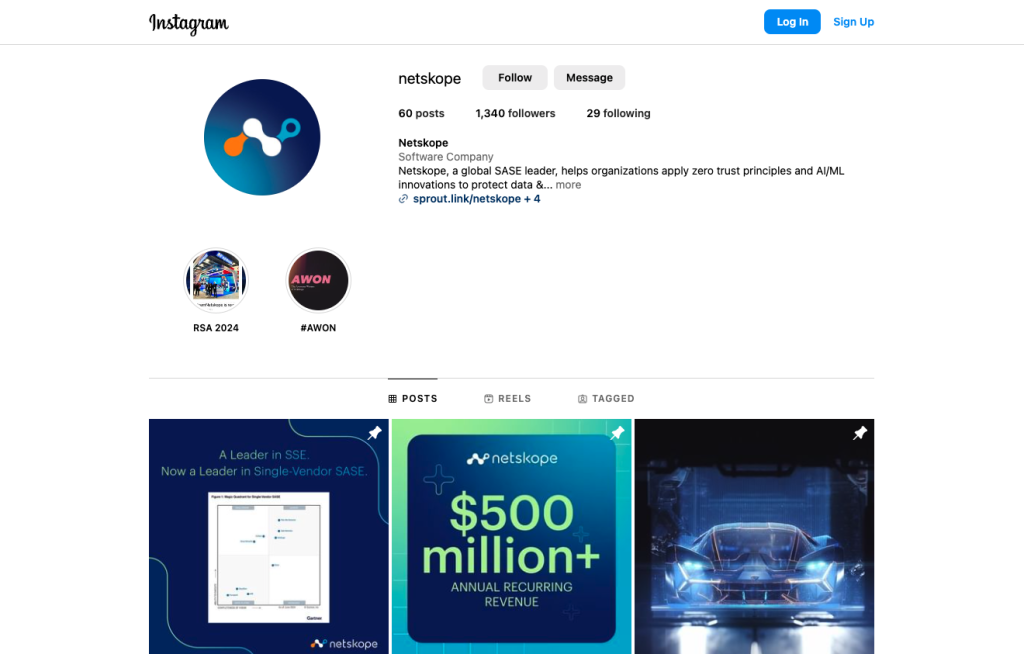
Brand recognition is when customers spot your logo, colours, or business name among dozens of other options. It’s like scrolling through Facebook and immediately knowing which post belongs to which brand before reading a single word. This recognition relies on visual cues your customers have seen before.
Brand recall, on the other hand, works differently. It tests whether customers remember your business name without any prompts when they need your service. Like when someone asks their friend for a coffee shop recommendation, do they mention your name or draw a blank? As you can tell, recall requires a deeper mental connection.
In short, recognition gets you noticed in the moment, while recall gets you chosen when customers are making buying decisions. Most businesses focus only on recognition through consistent branding. That’s important, yes, but recall is what determines whether effort translates into customers.
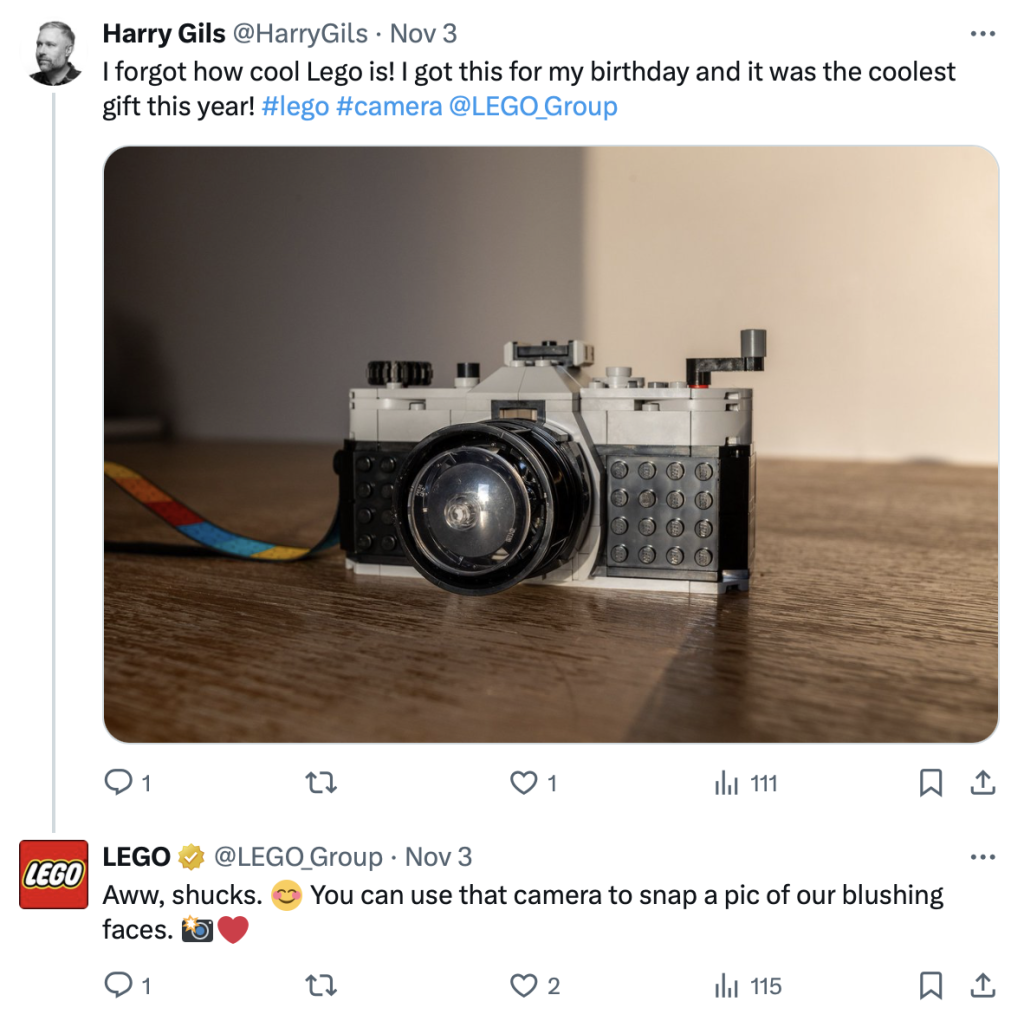
Social media platforms reach people who’d never find your business through search engines alone. Think about someone scrolling through Instagram, finding out about your brand because their friend liked your post.
And when the algorithms notice this, your content appears in front of similar users who share interests with your existing audience. Each share, save, or comment tells the algorithm your content deserves more brand visibility. If one customer tags you in a story about your service, their 400 followers see it. From there, maybe five check your profile, and two will likely follow you.
These platform algorithms then reward engagement by pushing your content to new audiences beyond your current followers. For example, Facebook shows your posts to friends of people who commented. Similarly, TikTok tests your videos with small groups of active users, then spreads successful content wider.
Brand Identity: Your Foundation Before You Post Anything
A clear brand identity saves time, prevents inconsistent messaging, and ensures every post strengthens recognition instead of confusing your audience. Without this foundation, you’re guessing what to post and how to say it.
Here’s where to start building yours.
Defining Your Brand Knowledge and Core Values
Your brand knowledge forms the backbone of every social media post, advertisement, and customer interaction. Most businesses skip this step completely, then wonder why their social content feels scattered across different platforms. Take a look:
- Mission and Problem Solving: Write down your mission, what problems you solve, and why customers should pick you over the three nearest competitors. To give you an idea, “We help Brisbane families feel safe” sounds vague. But “We install security screens that stop break-ins” gives clarity that your team can work with.
- Target Audience Research: Your audience’s age, location, income level, pain points, and what keeps them searching for solutions online should be clearly understood. The more specific you get, the easier content creation becomes for your business.
- Value Proposition Clarity: Document your value proposition in one clear sentence that sales teams and marketing can repeat consistently across channels. This becomes your north star for every social media post and customer interaction.
Getting these right early prevents months of inconsistent messaging that confuses your target audience. This way, your team knows what to say, how to say it, and why it’s important to customers.
Creating Consistent Visual and Messaging Standards

Visual consistency builds brand recognition faster than anything else you’ll do on social media platforms. Here’s how you can build consistent visual and messaging standards:
- Visual Identity Across Platforms: Choose brand colours, fonts, and logo variations that look recognisable on both mobile screens and desktop displays. Your visual identity should work across Instagram stories, Facebook posts, and LinkedIn updates without modification.
- Tone and Voice Definition: Every post should sound like your brand instantly, without readers needing to check who wrote it. Say, a financial advisor writes differently than a skateboard shop, even when both post about customer service on social media. So, define if your tone would be friendly, professional, educational, or casual.
- Template Systems For Efficiency: Create post templates for common content types so your feed looks cohesive without design skills for each post. Plus, templates save hours weekly while ensuring your brand identity stays consistent even when different team members create social content.
Ask yourself if someone scrolling their feed would recognise your post instantly before reading a single word. That recognition comes from disciplined visual standards applied across every piece of content your business creates.
The best social platforms for product awareness depend on where your target audience spends their time online (but typically include Instagram, TikTok, YouTube, and Reddit). Most businesses spread themselves thin across five social media channels without verifying if their customers even use them.
Let’s figure out where your customers actually are.
Matching Platforms to Your Target Audience

Research demographic data that shows which platforms your customers use most, rather than guessing based on competitor activity. But these are some general demographic ideas you can check for understanding:
- LinkedIn dominates for professional services and B2B audiences, reaching decision-makers during work hours
- Facebook reaches older demographics with stronger purchasing power for home services and retail
- TikTok captures under-35s seeking entertainment-style content
In short, young adults scroll TikTok and Instagram for visual content. Their parents check Facebook for local business recommendations. And company executives browse LinkedIn for industry insights. Which means, a plumbing company in Brisbane doesn’t need TikTok. But a fashion brand targeting university students probably does.
Pro Tip: Test one platform properly for three months. Track which posts get comments, shares, and profile visits. That data will tell you if you’ve picked the right social media channels or need to adjust.
Resource Planning: Quality Over Platform Quantity
Dead accounts with month-old posts damage brand awareness more than no account at all. When customers see outdated content, they assume your business is closed. So start with one or two platforms your team can manage daily, rather than launching five accounts that go silent after initial enthusiasm fades.
Along with that, factor in time for content creation, community management, and monitoring platform updates when planning your approach. Because someone needs to create posts, respond to comments and direct messages, and track what’s working.
You can also hire specialists or use scheduling tools if you want broader platform coverage without sacrificing consistency. Companies like Matter Solutions help Brisbane businesses manage social media marketing without the guesswork.
When to Use Paid Ads to Accelerate Awareness
Paid advertising works best for new businesses needing quick visibility or established brands launching products to targeted demographics. Organic reach takes months to build, after all. And sometimes you need instant awareness. That’s when paid campaigns prove useful.
For the best results, start with small daily budgets, testing different audiences and creative formats before committing thousands. As a reference, Facebook and Instagram let you test ads for $10 daily. Maybe run three versions targeting different demographics and check which gets more engagement after one week. Then increase the budget for the winners.
Quick Tip: Find posts that already get strong engagement. Then boost those to new audiences similar to your current followers.
Content Creation That Builds Brand Recognition
The right content stops thumbs mid-scroll, converts passive viewers into engaged followers, and keeps your brand top-of-mind when buying decisions happen. Conversely, poor content gets ignored even if you post frequently (trust us, quality beats quantity for building brand awareness).
Take a look at how content creation builds brand recognition.
Using Short-Form Video and Visual Content to Stop the Scroll
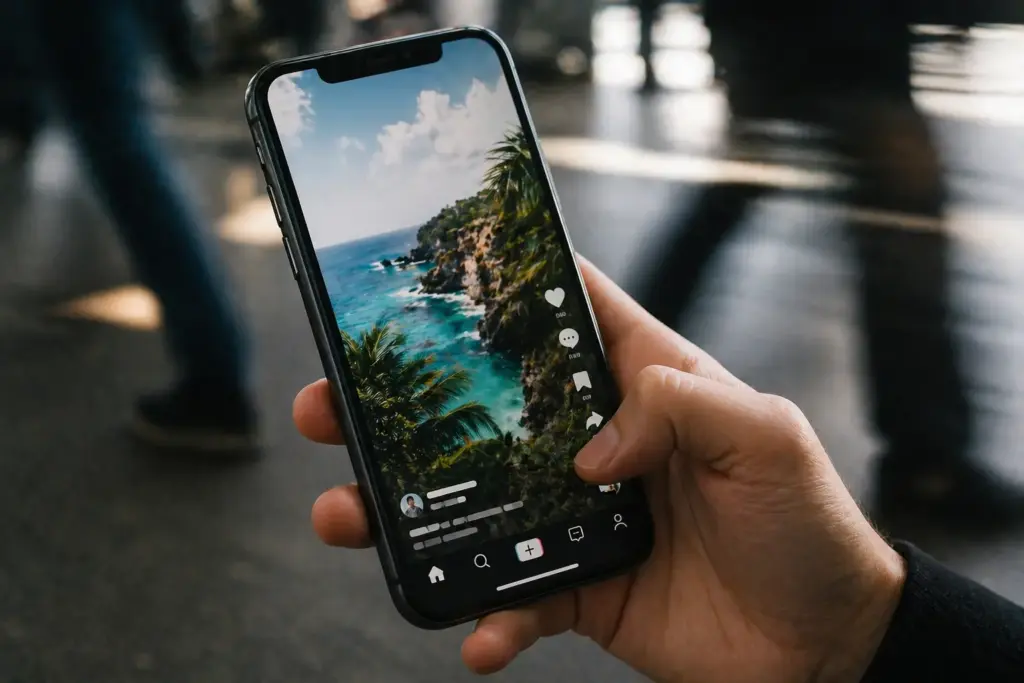
Video content dominates social media because it captures attention faster than static images or text posts. Especially, Short-form videos on Reels, TikTok, and YouTube Shorts outperform better than longer videos for building brand recognition.
These formats below force you to communicate value quickly before viewers scroll past:
- Strong Opening Hooks: Questions, surprising statistics, or bold statements in the first three seconds grab attention before viewers swipe. Something like “60% of small businesses fail in three years” works better than “Welcome to our page.”
- Authentic Behind-The-Scenes Moments: Real people, product demonstrations, and workplace footage build more trust than polished stock imagery. Say, a quick video of your team packing orders creates stronger connections than professional photoshoots.
- Captions For Sound-Off Viewing: Most users scroll social media with sound off during work breaks or commutes. In that case, videos under 60 seconds with captions ensure your message lands without audio. This small addition dramatically improves engagement across all platforms.
These elements combine to create social media content that grabs more than just views. They also build lasting brand awareness with your target audience.
Hashtags help potential customers find your business when they’re actively searching for products or services you offer. The right mix of branded and industry hashtags improves discoverability without looking spammy.
Follow some general rules like these, and you’ll see improvements:
- Keep It Simple and Memorable: One branded hashtag combining your business name beats complex phrases that customers can’t remember. For instance, a Brisbane café using #MorningBrewBNE works better than #BrisbaneMorningCoffeeExperienceAtOurCafe.
- Mix Branded with Industry Terms: Combine your unique hashtag with 3-5 relevant tags your target audience already follows when searching. If you sell handmade jewellery, pair your brand hashtag with #HandmadeJewellery #AustralianMade #GiftIdeas. This puts you in front of people who are actively looking.
- Track What Drives Results: Some hashtags get millions of posts but deliver zero engagement for your business. Others with smaller audiences bring actual customers who engage with your content. This is why monthly reviews show which hashtags deserve your attention.
Most businesses either use too many generic hashtags or none at all. However, the goal isn’t collecting hashtag likes, but rather driving profile visits and follower growth that translates into customers.
Posting Frequency and Timing for Maximum Recall
Brand recall depends on showing up consistently when your audience is online and ready to engage. Random posting schedules confuse algorithms and also frustrate followers who forget you exist between sporadic updates.
Take a look at these tips:
- Consistency Over Frequency: Daily posting sounds ideal until you run out of quality material by week three. On the other hand, posting 3-5 times weekly on each platform maintains visibility without overwhelming followers or exhausting your content ideas.
- Use Platform Analytics to Time Posts: Posting at 2 am when your audience sleeps wastes effort, no matter how good your content looks. Fortunately, Instagram insights and Facebook analytics show when your specific audience is most active online. So let data guide your schedule.
- Batch Content But Stay Flexible: Creating content in monthly batches saves time while maintaining consistent quality across your social platforms. Plus, leaving room for timely responses to industry news or trending topics keeps your brand relevant.
Remember that finding your rhythm is more important than chasing daily post quotas. Ultimately, posting consistently at the right times builds the brand recall, not a bunch of random posts.
Converting Followers Into Brand Ambassadors
Brands working with micro-influencers see average engagement rates of 3.86% on Instagram and 17.96% on TikTok, compared to under 4.69% for celebrity accounts. That’s because customers trust peer recommendations more than any advertisement your business creates.
This section covers three ways to convert followers into people who actively promote your brand.
Working with Micro-Influencers to Expand Your Reach
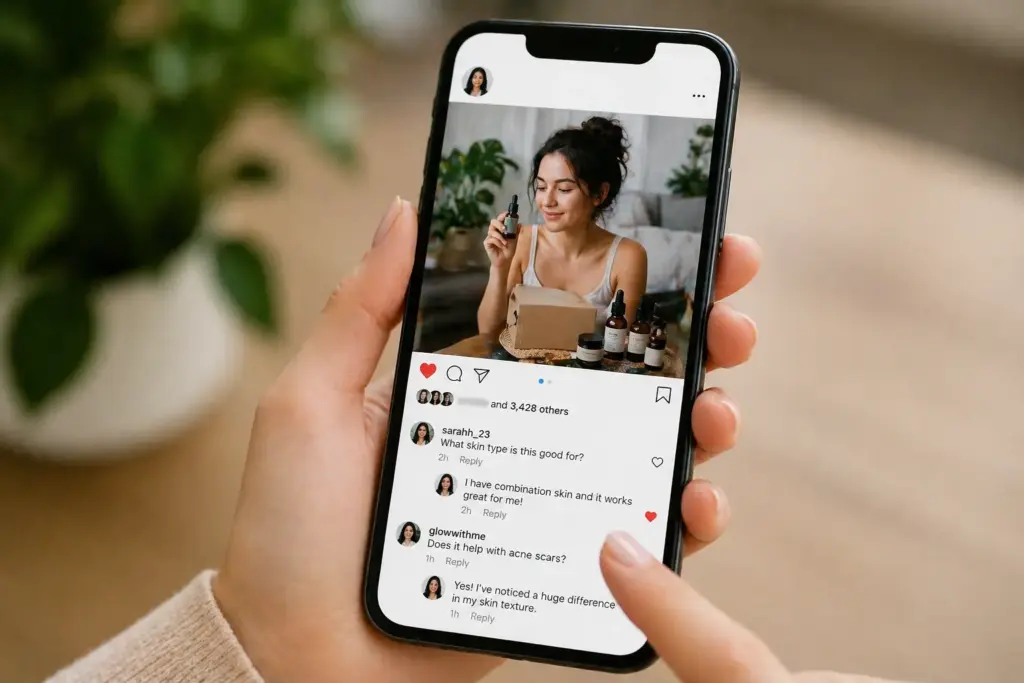
Micro-influencers deliver better results than celebrity partnerships for most Australian businesses. Their followers trust recommendations because the relationship feels personal.
This is how you can collaborate with them:
- Follower Count is Less Important Than Engagement: Micro-influencers maintain authentic connections with audiences who trust their product recommendations. Their followers ask questions, share posts, and take action.
- Cost-Effective Partnerships: These creators charge less while delivering higher engagement rates for your marketing budget. You can consider product exchanges or commission structures before investing thousands in partnerships that may not convert to actual sales.
- Niche Audience Alignment: A micro-influencer focused on sustainable living reaches potential customers who care about eco-friendly products. That targeted reach beats broad celebrity exposure for building brand awareness in specific demographics.
Golden Rule: Partner with influencers who have 10,000-100,000 engaged followers in your niche rather than chasing celebrities with millions.
Encouraging Customer Content: Contests and Giveaways
Running contests often converts existing customers into active promoters, and reaches their entire network without you paying for advertising. Below are some contest strategies that provide good results:
- Structure Contests with Clear Entry Rules: Require participants to follow your account, tag friends, and share posts with prizes your ideal customers want. Especially, product bundles attract people who are genuinely interested in your business, not just prize hunters.
- Offer Small Incentives for Organic Sharing: Ask satisfied customers to tag you in everyday photos using your product. In exchange, you can offer small incentives like discount codes or profile features to motivate participation without major costs.
- Promote During Product Launches: Contests during launches multiply visibility through social media while building excitement. What’s more, each participant’s network sees the tagged posts, expanding your reach to new audiences you’d never access through paid advertising alone.
Did You Know? User-generated content earns 8.7 times higher engagement rates than branded content because audiences trust peer recommendations.
Amplifying User-Generated Content and Customer Stories

People trust real customer experiences more than polished advertisements that businesses create. From experience working with Brisbane businesses, we’ve seen user-generated content drive higher engagement than professionally produced materials.
This is how you can encourage your followers for their stories:
- Create Dedicated Branded Hashtags: Encourage customers to use specific hashtags when posting about your products. This organises customer stories where potential customers can see real people using what you sell.
- Feature Customer Success Stories Prominently: Highlighting testimonials and real results provides social proof that influences buying decisions. Particularly when someone considering your service sees five customers praising the results (that reassures them more than marketing claims).
- Cross-Promote with Complementary Brands: Each partnership expands visibility without competing directly. So partner with businesses serving similar customers to share each other’s content and reach new audiences. Say, a wedding photographer might cross-promote with florists.
User-generated content turns customers into brand ambassadors who actively promote your business through their social media channels and direct messages to friends. Along with that, resharing customer content with permission builds social proof that converts hesitant browsers into buyers.
Putting Brand Awareness Principles Into Action
Building brand and product awareness through social media comes down to consistency, authenticity, and strategic planning. You need to know your brand identity before posting anything. Then, choose platforms your customers use rather than spreading yourself thin across every channel.
The principles in this article aren’t theoretical. They’re tested approaches that provide measurable results when applied consistently over time. At Matter Solutions, we’ve seen Brisbane businesses double their brand recognition by focusing on fundamentals rather than chasing every new trend that appears.
So pick just three principles that align with your current resources and business goals. Implement them this month, and measure the difference in how customers recognise and remember your brand. You’ll see how they gradually become ready to buy from companies like yours.
Need help with your digital marketing?
Book a free strategy call and let's discuss your goals.
Book a Strategy Call